
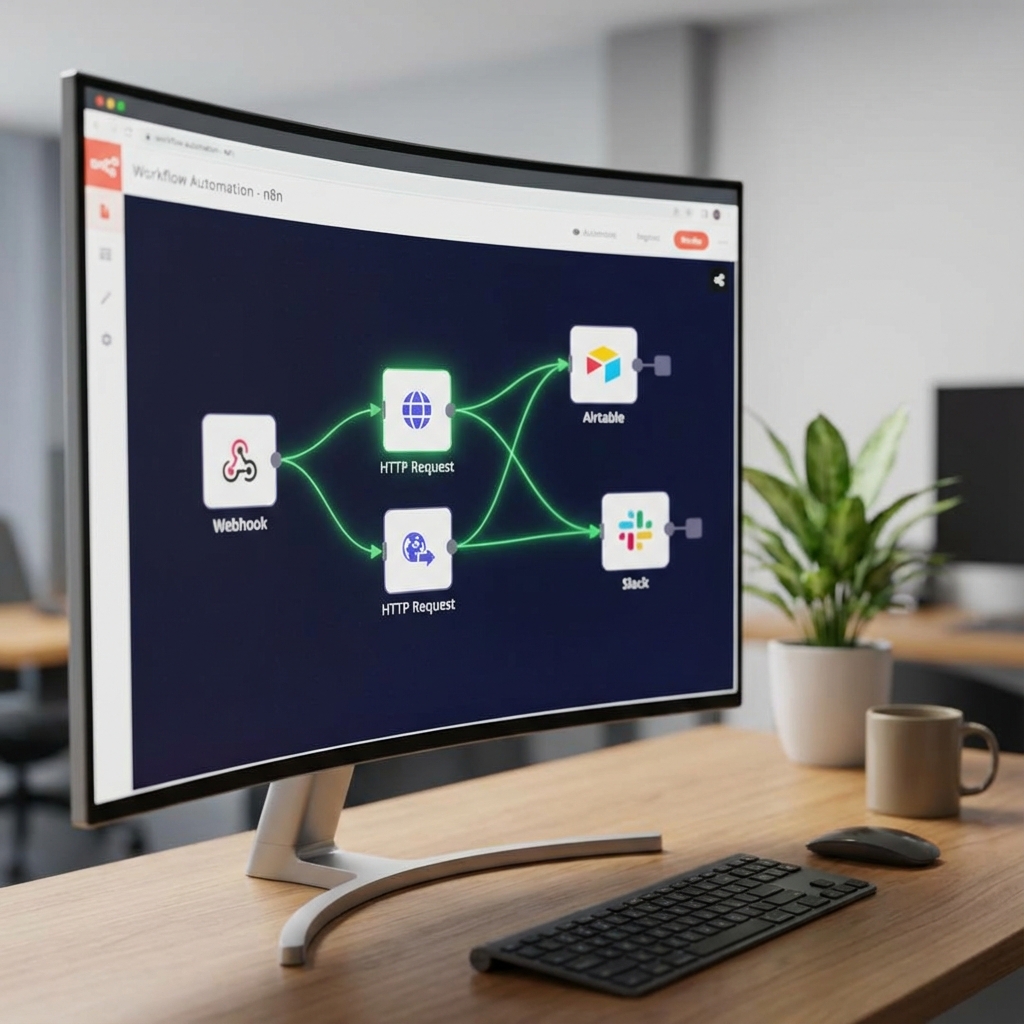

The automation trap
Automation is seductive. The idea of a business that runs itself while you sleep is the ultimate SME dream. We are promised tools that will "put our business on autopilot" and "generate revenue while we are on the beach."
But automation is a double-edged sword. Used correctly, it is a superpower that liberates your team from drudgery. Used incorrectly, it is a machine gun that fires errors at your customers faster than any human ever could.
We have seen businesses automate their customer service emails, only to offend their biggest client with a robotic, tone-deaf response during a crisis. We have seen automated invoicing systems send aggressive demands for payment to customers who had already paid that morning. Automation doesn’t care about context. It only cares about rules.
The rule of binary tasks
So, how do you know what to automate? The rule is simple: Automation shines in the binary.
Binary tasks are black and white. Data transfer. Reminders. Scheduling. Calculations. These are tasks where there is a clear right and wrong answer, and no nuance is required.
Does a human need to copy an invoice number from an email to a spreadsheet? No. That is a binary data transfer. Does a human need to manually type a calendar invite? No. That is a binary scheduling task.
Automation helps when it liberates your team from "robot work" so they can do "human work." If you can write a strict "If This, Then That" rule for a task without any exceptions, it is a candidate for automation.
The "human touch" limit
Automation fails when it tries to replicate empathy, negotiation, or judgment. If a process requires reading the room, understanding tone, or making a creative decision, do not automate it.
Sales follow-ups are a classic example. An automated email confirming a meeting booking is great. An automated email "checking in" on a prospect who told you yesterday their mother is ill is catastrophic.
The goal of automation in a service business isn’t to remove humans from the loop. It is to remove the friction so the humans can focus on the relationship. Use automation to set the stage: to book the meeting, to prepare the data, to generate the contract; but let the human take the bow.
Automating a mess
The other danger is automating a broken process. There is a saying in systems design: "Automating a mess just gets you a faster mess."
If your underlying logic is flawed, automation will scale that flaw. If your billing process is confusing manually, it will be chaotic automatically. Before you write a single line of code or build a single Zapier workflow, you must simplify the process manually.
Walk through the process with a pen and paper. Remove every unnecessary step. clarify every decision point. Only when the manual process is sleek and logical should you apply the turbocharger of automation.
Conclusion
Start small. Don’t try to automate your entire business operation overnight. Pick one tedious, error-prone task (like chasing unpaid invoices or onboarding new staff) and automate that.
Verify it works. Watch it for a week. Then move to the next. Smart automation is boring, reliable, and invisible. It works quietly in the background to make your team look like superheroes.
TL;DR
- Binary vs. Nuanced: Automate data and reminders. Do not automate apologies or negotiations.
- Scale: Automation scales both competence and incompetence. Fix the process first.
- Context: Robots don't understand context. Don't let them speak to sensitive clients unsupervised.
- Liberation: The goal is to free up human time for high-value work, not just to cut costs.
- Start Small: Automate one workflow at a time. Test, verify, rinse, repeat.
Are you scared of the robots?
We build automations that support humans, not replace them. Let’s design workflows that make your team faster and happier.